
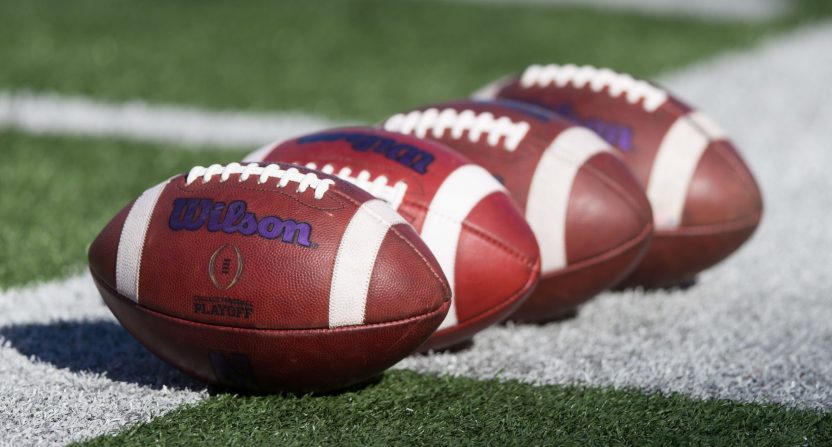
College football and the NFL, while sharing the same sport, have distinct differences. These variations are evident in rules, gameplay style, and organizational structure. Understanding these differences enhances the appreciation of each game’s unique aspects.
Rule Variations
College football and the NFL, though sharing a core set of rules, differ in several key areas. In college football, each team is afforded four downs to advance the ball ten yards, similar to the NFL. However, the method of handling overtime stands out. College football employs a system where each team gets a chance to score from the opponent’s 25-yard line, contrasting with the NFL’s sudden death approach.
Another difference lies in the pass completion rules. In the NFL, a receiver must have both feet in bounds with control of the ball for a successful completion. College rules are less stringent, requiring just one foot in bounds. This subtle change impacts the style and strategy of passing plays in each game.
Player Eligibility and Recruitment
The paths players take to reach these leagues are notably different. College athletes are typically recruited out of high school and must maintain amateur status, foregoing professional contracts and endorsements. The NFL, on the other hand, draws from a pool of players who have usually showcased their talents in college football. This progression from amateur to professional status is a unique aspect of American football, differing from many other sports where professional play can begin earlier.
Game Pace and Play Styles
The pace and style of play in college football and the NFL also show notable differences. College games often run longer due to rules about stopping the clock. For example, the clock stops after every first down in college football, allowing teams more time for strategic planning. The NFL’s faster pace demands quicker decision-making and adjustments.
Offensive styles in college football are more varied, partly due to the wider range of player skills and physical attributes. Some college teams use unconventional tactics like the triple option, less common in the professional league due to the speed and skill of NFL defenses.
Financial Aspects and Business Model
The NFL operates as a lucrative business, with substantial revenue from broadcasting rights, merchandise, and ticket sales. Players receive salaries and can earn additional income through endorsements. College football, while also generating significant revenue, primarily benefits the educational institutions. Players receive scholarships covering tuition, room, and board, but do not receive salaries.
Fan Culture and Regional Ties
Fan culture in college football is deeply intertwined with regional and institutional pride. Fans often have a personal connection to the teams, either as alumni or through regional affiliation. NFL fandom, while also passionate, is more broadly commercial and less tied to geographic or educational loyalty.
Impact of College Football on NFL Recruitment
College football serves as a critical feeder system for the NFL. NFL scouts closely monitor college players, evaluating their potential for the professional league. The NFL Draft is a major event where teams select eligible college players, shaping the future of both the player and the franchise.
The Influence of College Football on NFL Tactics
Tactical innovations in college football often find their way into the NFL. Coaches and players who transition from college to the NFL bring new strategies and styles of play, influencing the evolution of the game at the professional level.
The Dynamics for Betting
The dynamics of college football and the NFL also extend to football betting. The variables in college games, such as less predictable outcomes and diverse playing styles, offer a different set of challenges and opportunities for those interested in betting on football games.
Health and Safety Regulations
Health and safety regulations present another area of difference between college football and the NFL. The NFL has implemented stringent health protocols, especially concerning concussions and other head injuries. These measures include mandatory concussion protocols for players suspected of having suffered head injuries and strict rules against dangerous tackles. In contrast, while college football has also increased its focus on player safety, the regulations can vary significantly across different collegiate conferences and organizations. The disparity in these safety standards reflects the broader organizational differences between the two levels of play.
The Role of Media Coverage
Media coverage significantly influences the perception and economics of both college football and the NFL. The NFL benefits from extensive national media coverage, with games broadcast across various networks, attracting millions of viewers. This extensive coverage contributes to the NFL’s substantial revenue from broadcasting rights. College football, while also enjoying significant media attention, has a more regional focus. Different conferences have their own broadcasting deals, and some games may only be available on regional networks. This difference in media coverage not only affects revenue streams but also shapes fan engagement and public perception of the leagues.
Development and Use of Technology
The development and use of technology in game strategies and operations show marked differences between college football and the NFL. The NFL has integrated advanced technologies, including video replay for officiating and sophisticated analytics for game planning and player development. NFL teams invest heavily in technology to gain competitive advantages. College football, while also utilizing technology, does so to a lesser extent. Budget constraints and varying levels of resources across different college programs lead to a broader range of technology adoption and usage. This variance in technological integration affects everything from game strategies to player development and scouting.
Conclusion
While college football and the NFL share the fundamental structure of American football, they diverge in rules, player development, pace, style, financial aspects, fan culture, and influence on each other. Understanding these differences offers insight into the unique characteristics and appeal of each level of the game.
